Thursday, 2 October 2014


How Top Bloggers Make Money Blogging [Infographic]

Blogging is no longer just a hobby.  It’s a business.  Whether you want a blog to supplement your company’s social platform, or you want a blog to be your full-time job, it’s a powerful tool that you can help you reach any goal.
As of now, there are 6.7 million people blogging,.. so that means you have to find your unique voice and make yourself stand out in the crowd.  Blogging can generate leads for your business, build your authority, and can quickly grow your social network as you share good content. Talk about powerful… 60% of U.S. consumers have made a purchase based on a blog recommendation.
The following infographic breaks it all down for you.  Once you look at the numbers and see how powerful blogging is, look and see what type of blogger you are – hobbyist, part-time professional, etc.  Then find more clarity when you define your reasons for blogging.
While most bloggers make less than $1,000 a year, there are big bucks to be made. You just have to check out the advertising techniques below.  If you feel you’re too late to the blogging game, realize blogs only started in 1997, so realistically, the whole platform is still in its infancy.
Seize the opportunity now and launch your blog.  See how it can quickly build your brand and your business.
highest-earning-blogs
Infographic source:  http://zacjohnson.com/top-bloggers-make-money-blogging-infographic/
- See more at: http://www.offervault.com/scoop/2014/10/01/how-top-bloggers-make-money-blogging-infographic/#sthash.JVhNKiEQ.dpuf

Wednesday, 1 October 2014

Your Online Money Making Blueprint


Your online formula for success – 5 FREE ebooks for you ! 
On the following subjects
Blogging for Profits
Social Media  Secrets
Making Money as an Affiliate
How to Build a Customer List
Make Money Online Blueprint.

You can have them all over the next week 


Please Enter Your First Name and Email Address In The Box On The Top Right Hand Side Of This Blog And Click Submit


INSTAGRAM MARKETING TECHNIQUES

Instagram Marketing Techniques and Strategies for Business

Using Visual Content to Increase Blog Engagement


1This is a guest contribution from Tom More of Slidely.com. 
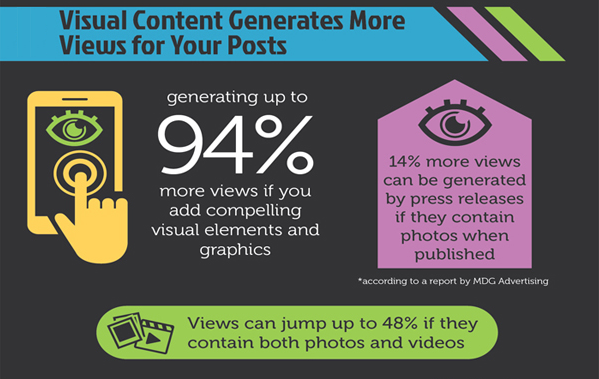
Visual content is your secret weapon to boosting blog engagement. The blog posts of today demand fresh, eye-catching content that can be read and shared easily, which makes videos, infographics, photos, and slideshows a perfect companion to blog posts. People absorb information quicker and more intuitively from images than text and visual content attracts more engagement on social media channels. Additionally, visual content is extremely easy to integrate into your current blog posts, as well as add to your past posts. On your blog homepage, strong visual content can sustain new visitors attention so they are more inclined to explore your blog.  For these reasons and more, it’s clear that visual content partners great with blogs, but how will visual content affect your blog engagement?

Visual content increases social media engagement for your blog

Blog posts are a powerful content medium on their own, but a large part of their strength is their ability to be shared across social media channels easily. Blog engagement is largely built through social media because social media channels allow you to gain exposure, focus your posts to relevant audiences, and respond easily to those who comment on your posts. According to a study by HubSpot, posts with photos received 53% more likes and attracted 104% more comments than those without (via HubSpot).
2
Sam Kusinitz / Hubspot
 

Visual content generates more click throughs

When you link to a blog post, attach a catchy visual to grab viewers attention and prompt them to continue on to the post. Photo posts can generate over 80% higher link click through than simple text and link posts, HubSpot reports. So next time you link to a post, do your best to add a picture or video that illustrates your point.

Visual content helps you reach your audience by saying more with less

As you know, brevity can be key when it comes to blog posts. Visual content conveys information succinctly and quickly, making it a great way to say more with less. Using photos to replace excess words is a powerful way to boost engagement. In fact, posts below 250 characters can boost your engagement by up to 60% (via Visual.ly).
Let visual content speak for itself. You can give an introduction and a call to action, but sometimes a standalone video or slideshow is more powerful than one with a lot of extra text. Once in awhile, save yourself time and effort by using visual content to your advantage to replace long text-based posts.

Visual content makes your blog memorable

Not only can audiences absorb your message quicker and clearer, but using visual content in your blogs can lead to better retainment of information. We often remember large amounts of information better when conveyed visually rather than verbally, and when you need to get across an important message in your blog, you don’t want to risk it being forgotten after you put in so much effort to create it.

Visual content is evergreen content

Evergreen content is highly valuable in the blogging world, because evergreen content that is not just relevant in the moment, but retains its value over time. This makes it one of the best types of content to build engagement over time because it can be shared and re-shared, resulting in many more chances for views and engagement. Visual content is evergreen because it has value in and out of context – in other words, even if your blog post becomes dated, the great photos or videos included in it can be relevant on their own, boosting traffic to your blog and shares for the individual video content.
If you are ready to get started with integrating visual content, here are some tips on using visual content in blog posts…
Remember while all types of visual content are powerful, not all are created equal. Different visual content mediums benefit different channels. For example, when it comes to social media sharing, the best engagement comes from photos, followed by videos and infographics. Slideshows are also on the rise as an engaging visual content medium because they can be used during live presentations or for online sharing.
You can see how we manage slideshows at Slidely:


Steve Jobs – Tribute by Slidely Slideshow
Additionally, when you post visual content matters too. According to Fannit, people are less likely to check Facebook during work hours, but morning is a peak time to check their newsfeed (via Social Media Today). When it comes to Twitter, engagement is higher on weekends than weekdays. For all types of social media, posting at night returns the least amount of engagement. What does this mean for you? Strategize with a posting calendar so you are consistently releasing visual-packed posts at peak hours.
Always consider your audience and use the medium most suited to them. Visual content is far less effective if it doesn’t match the audience it is intended for. Consider whether your target audience prefers videos, slideshows, or photos and then go heavier on this content (while still including a variety of different types). For example, travel bloggers often use photos for the majority of their visual content because travel photos can tell a story well, while business bloggers tend towards slideshows and presentations because their audience often wants a takeaway. Educators also often utilize slideshows and presentations, while a fashion blog is more likely to use photos. These are just some examples of how audience affects the type of video content.
Also, switch up the types of visual content you use. Photos are great for almost every blog post or hyperlink on social media sites, but it’s also important to include videos, slideshows, presentations, infographics, and moving graphics to keep your audience interested. No one wants to see the same type of content all the time, so vary what you present.

http://www.problogger.net/archives/2014/10/01/using-visual-content-to-increase-blog-engagement/?utm_source=twitterfeed&utm_medium=twitter&utm_campaign=Feed%3A+ProbloggerHelpingBloggersEarnMoney+%28ProBlogger%3A+Helping+Bloggers+Earn+Money%29

Top 10 Tips for Beginner Bloggers

The Tips You Need to Successfully Start a Blog

Businesswoman having breakfast in cafe - Cultura/Marcel Weber/Riser/Getty Images

1. Define Your Goals

Before you start a new blog, it's essential that you define your goals for it. Your blog has a greater chance of success if you know from the beginning what you hope to accomplish with it. Are you trying to establish yourself as an expert in your field? Are you trying to promote your business? Are you simply blogging for fun and to share your ideas and opinions? Your short and long term goals for your blog are dependent on the reason why you're starting your blog. Think ahead to what you'd like to gain from your blog in six months, one year and three years. Then design, write and market your blog to meet those goals.


2. Know Your Audience

Your blog's design and content should reflect the expectations of your audience. For example, if your intended audience is teenagers, the design and content would be quite different than a blog targeted to corporate professionals. Your audience will have inherent expectations for your blog. Don't confuse them but rather meet and exceed those expectations to gain reader loyalty.

3. Be Consistent

Your blog is a brand. Just like popular brands such as Coke or Nike, your blog represents a specific message and image to your audience, which is your brand. Your blog's design and content should consistently communicate your blog's overall brand image and message. Being consistent allows you to meet your audience's expectations and create a secure place for them to visit again and again. That consistency will be rewarded with reader loyalty.                    


4. Be Persistent

A busy blog is a useful blog. Blogs that are not updated frequently are perceived by their audiences as static web pages. The usefulness of blogs comes from their timeliness. While it's important not to publish meaningless posts else you may bore your audience, it's essential that you update your blog frequently. The best way to keep readers coming back is to always have something new (and meaningful) for them to see.

5. Be Inviting

One of the most unique aspects of blogging is its social impact. Therefore, it's essential that your blog welcomes readers and invites them to join a two-way conversation. Ask your readers to leave comments by posing questions than respond to comments from your readers. Doing so will show your readers that you value them, and it will keep the conversation going. Continue the conversation by leaving comments on other blogs inviting new readers to visit your blog for more lively discussions. Your blog's success is partially dependent on your readers' loyalties to it. Make sure they understand how much you appreciate them by involving them and recognizing them through meaningful two-way conversation.                     
 

6. Be Visible

Much of your blog's success relies on your efforts outside your blog. Those efforts include finding like-minded bloggers and commenting on their blogs, participating in social bookmarking through sites such as Digg and StumbleUpon, and joining social networking sites such as Facebook and LinkedIn. Blogging is not a demonstration of, "if you build it, they will come." Instead, developing a successful blog requires hard work by creating compelling content on your blog as well as working outside of your blog to promote it and develop a community around it.

7. Take Risks

Beginner bloggers are often afraid of the new blogging tools and features available to them. Don't be afraid to take risks and try new things on your blog. From adding a new plug-in to holding your first blog contest, it's important that you keep your blog fresh by implementing changes that will enhance your blog. Alternatively, don't fall prey to every new bell and whistle that becomes available for your blog. Instead, review each potential enhancement in terms of how it will help you reach your goals for your blog and how your audience will respond to it.

8. Ask for Help

Even the most experienced bloggers understand the blogosphere is an ever-changing place and no one knows everything there is to know about blogging. Most importantly, bloggers are part of a close-knit community, and the majority of bloggers understand that everyone is a beginner at some point. In fact, bloggers are some of the most approachable and helpful people you can find. Don't be afraid to reach out to fellow bloggers for help. Remember, the success of the blogosphere relies on networking, and most bloggers are always willing to expand their networks regardless of whether you're a beginner blogger or seasoned pro.

9. Keep Learning

It seems like everyday there are new tools available to bloggers. The Internet changes quickly, and the blogosphere is not an exception to that rule. As you develop your blog, take the time to research new tools and features, and keep an eye on the latest news from the blogosphere. You never know when a new tool will roll out that can make your life easier or enhance your readers' experiences on your blog.

10. Be Yourself

Remember, your blog is an extension of you and your brand, and your loyal readers will keep coming back to hear what you have to say. Inject your personality into your blog and adapt a consistent tone for your posts. Determine whether your blog and brand will be more effective with a corporate tone, a youthful tone or a snarky tone. Then stay consistent with that tone in all your blog communications. People don't read blogs simply to get the news. They could read a newspaper for news reports. Instead, people read blogs to get bloggers' opinions on the news, the world, life and more. Don't blog like a reporter. Blog like you're having a conversation with each of your readers. Blog from your heart.
 

5-Step Content Marketing Checklist

blog coverDo you have a content marketing plan for your business?
Would you like to create blog posts people get value from and will share?
Blogging for business is so much more than writing an article and throwing it up on your website. It encompasses a lot of planning, preparing, research, writing and editing until you get something that truly resonates with the audience you’re trying to reach.
In an effort to organize this process for myself, I created a content marketing checklist that you might find useful when creating and promoting content for your business.
I’ve distilled it down into five key steps:
  1. Planning & Research
  2. Writing
  3. Optimization
  4. Making It “Shareable”
  5. Promotion
Even though there are several points for each step, there are still many more that weren’t covered in my attempt to be concise. If you feel something important is missing, let us know in the comments below. Make sure you scroll past the infographic for more detailed explanations of each step.

Your 5 Step Content Marketing Checklist [INFOGRAPHIC]

content marketing checklist
Feel free to share this infographic without modifications on your blog or anywhere you like with credit to Top Dog Social Media and a link back to this page.

1. Planning & Researching Your Topic

Use Google Keyword Planner

It’s been a while since this was called “Keyword Tool” but it’s purpose remains the same: to find relevant keyword phrases that people are searching for to use in your blog post.
1

Search Twitter For Popular Topics

I like to search Twitter for popular topics related to my chosen keyword and pay attention to the ones that are getting the most retweets and favorites. Some valuable insight can be gained through observing what is already working out there.
2

Do a Quick Google Search With Your Keyword

See which pages across the web are already ranking for your chosen keyword to get a feel for how competitive the keyword is. Pay attention to how many search results are returned and the quality of results in relation to the keyword you’ve chosen. This will give you an idea of what you’re up against.
3

Create a List of Major Points You Want To Get Across

It is extremely helpful to create a list of compelling points that you want to address in your article to help narrow down the core of your topic. Create a long list so that you can cross off anything that isn’t going to strongly support your point.

2. Writing Your Content

Don’t Let Paragraphs Run Too Long

Paragraphs in blog posts are not the same as the page-long paragraphs you’ll see when reading a novel. They should be broken up every 2-3 lines or roughly every 75-100 words. The idea is to make it easy to read and scan quickly.

Include Images Every 300 Words

Visuals help tell every story better. Try your best to include helpful graphics that push your narrative and explain the concepts you’re trying to get across. They don’t have to be fancy – screenshots can sometimes be the best and most helpful and require zero graphic design skills.

Use Sub Headers To Break Up Sections

People only want to spend as long as necessary reading your content to get value from it. The long, run-on paragraph style of online publications like The Huffington Post is simply not a good format when discussing content marketing for businesses. Break up paragraphs and add several sub headers to improve reading and quick scanning for readers that prefer to do so.

Create a Compelling Headline

Your headline is what determines if people will actually click on your article or not. If the headline is weak, traffic will be weak. The ideal length for your headline is 55 characters so that none of it is cut off when displayed in search results. Check out this killer resource on writing headlines by Copyblogger.

Make Use of Bullet Points & Lists

Where applicable, use bullets to make helpful, concise lists within your article. People love them and they are a great way to break up the text.

Link To Other Valuable Resources

If you mention a helpful tip that readers are likely to want to explore in greater depth, link to another valuable resource where they can learn more about it. Whether it’s an older article of yours or a great tutorial from another blogger, aim to provide something that will benefit the reader most. This helps you stay on topic while amplifying the value to readers at the same time.

Spell Check

This would be number one on this content marketing checklist if it weren’t for the fact that your blog needs to be finished before you can edit it.

3. Optimizing Your Content For Search

Aim For 1000-1500 Words

According to research from serpIQ, 1500 words is the Google “sweet spot” for content marketing SEO. Check out the average content length of the Top 10 search engine results in a chart below. Learn more about ideal content length from a great post by Andy Crestodina at Orbit Media.
9k1dK

Place Your SEO Keyword Into Your Blog Title

Make sure your chosen SEO keyword is present in the title of your blog, aka title tag.

Include Your SEO Keyword In An H2 Header

Be sure to include your SEO keyword in at least one H2 header.

Place Your SEO Keyword & Beginning of Title/Header

Place your SEO keyword at the very beginning of your title and H2 header for optimal results. Google will give more weight to that keyword because it sees it as being more relevant to the content when placed accordingly.

4. Make It Shareable

Create a Custom Graphic For Your Title

Create a custom graphic that shows the title of your blog in an attractive way to increase shares on Pinterest and other networks. Don’t want to hire a graphic designer? Use Canva, a free tool for creating eye-catching graphics without any design skills.

Use Click To Tweet For Quotes/Stats

Use Click To Tweet to include tweetable quotes and stats throughout your blog for increased shares. There is a great WordPress plugin that makes it really easy and looks fantastic but you can also do it the old fashioned way by using the website directly.

Create or Curate Related Infographics

Create or curate an infographic relevant to your chosen topic and include it in your post. Make sure that you have permission to share the graphic if you do decide to curate – fortunately, most infographics give consent right on the page they were originally shared, but that’s not always the case!

Include SlideShare Presentations or Video

Slideshow presentations and video can be an easy way to increase reader engagement and time spent on page. Whether you decide to make them yourself or source others from YouTube or SlideShare and embed them in your post, make sure they improve the quality of your content and overall subject matter. Otherwise they are just clutter and wasting time.

5. Promote Your Content

Send An Update To Your Email List

Send an update to your email list with a link to your blog post once you’ve published it to get an immediate spike in traffic.

Share on Facebook

Share your blog post on Facebook and make sure your image is optimized to look good in Facebook Link Preview for optimal click-through rates.


Share on Twitter

Share on Twitter and include your custom blog title graphic. Twitter has gotten so much more visual and I’ve personally noticed higher engagement and clicks with posts that have eye-catching images.
Screen Shot 2014-07-08 at 2.11.27 PM

Share on Pinterest

Share on Pinterest using your custom blog title graphic.
Screen Shot 2014-07-08 at 2.13.09 PM

Pin To Relevant Shared Pinterest Boards

Pin to relevant shared Pinterest boards to increase exposure. Your pinned content must be relevant to your audience AND the specific board you are posting to.

Share via LinkedIn Status Update

Share your blog post as a status update on LinkedIn on your personal profile and your LinkedIn Company Page to engage your network.
Screen Shot 2014-07-08 at 2.15.44 PM

Share In Relevant LinkedIn Groups

You cannot simply post to groups with your link, even if it is relevant because group moderators are likely to flag it as spam. Some groups are more strict than others, but the best practice is to always create a conversation around it. Make sure the groups you are sharing to are both relevant to your audience and the specific topic you are posting about.

Share To Google+

Share your post to Google+ to your personal profile and company profile.

Find Relevant, Niche Facebook Groups & G+ Communities

Similar to the process with LinkedIn groups, go and find niche Facebook groups and Google+ communities to share your post with by creating a discussion about it.

Consider Facebook Ads and/or LinkedIn Sponsored Updates

Consider using Facebook ads or LinkedIn Sponsored Updates to run targeted ads to promote your content.

Install a Social Sharing Plugin

Use a social sharing plugin like Digg Digg or Flare that allows for easy social sharing to increase shares directly from your blog.
Screen Shot 2014-07-08 at 2.27.01 PM

Consider Niche Opportunities For Sharing

Consider more niche places to post such as Reddit subforums (aka subreddits) but be aware of the etiquette of each site’s community before posting or your efforts will prove to be a waste of time.

http://topdogsocialmedia.com/content-marketing-checklist/

How To Turn Your Website Into a Conversion Machine

conversion-rate-optimizationDo you feel like your website isn’t converting as many leads as it should be?
Conversion rate optimization is a true balance of art and science. There’s a wealth of data out there that tells us a lot about what works and what doesn’t but the creative element is all in the execution.
When it comes down to it, conversion rate optimization on your website depends on two areas: design and credibility. We’re going to reveal the most important aspects of each area and what you can adjust to maximize your overall conversions in no time.
A big thanks goes out to the team at dPfoc for creating this in-depth infographic. Be sure to check out their site and content as they are gurus at marketing based on science.

Conversion Rate Optimization [INFOGRAPHIC]

Scroll down below for the text-based version of this article
 

4 Ways To Measure Conversion Rates

The biggest struggle companies have with social media and online marketing isn’t getting an ROI, it’s tracking it. Optimizing conversion rates first requires you to properly track conversions. Here’s a few ways how to do it:
  1. Inquiry Forms. A “Destination URL” can be setup in Google Analytics to record a conversion each time a user lands on the page. For example, if you have a free eBook download when signing up to your email list, the “Thank you for signing up” page that is revealed after registering would be a possible destination URL worth tracking.
  2. Telephone Calls. Yes, there is a way to track UNIQUE telephone calls that come from your website. Sorcery, you say? There are many telephone tracking companies that can record a goal in Google Analytics every time your phone rings. Each visitor sees a unique phone number that triggers a connection to that particular session in Google Analytics.
  3. Live Chats. Those little live chat popups you see on many websites are events that can be tracked in Google Analytics.
  4. E-Commerce Transactions. E-commerce tracking in Google Analytics can record each sale as well as the monetary value of the sale.

Contact Forms Vs. Displaying Email Information

Providing your email address in the “Contact Us” section of your website might make sense at first but that doesn’t allow you to track those conversions effectively. Your data becomes distorted and your conversion rate data will show much lower numbers than is true in reality. Replace all email addresses with inquiry forms, which can be tracked in Google Analytics.
Need more help with your email signup form? Read about the 4 Things That Lead to Huge Success of Total Failure when it comes to email signup forms from Andy Crestodina at Orbit Media.

4 Things Your Website Needs To Convert Higher

  1. Great Design. A study from Northumbria University revealed that people judge a website’s quality and trustworthiness mostly on design, not content. Investing in great design pays off.
  2. Clearly Convey Offering & USP. Ensure visitors to your website understand clearly what your offering is and what is your unique selling proposition (USP).
  3. Build Credibility. In order to be believed, you must build credibility in the eyes of users who have never heard of your company before. The best tool available to do that is high value content that positions you as the expert.
  4. Have a Clear & Compelling Call-to-Action [CTA]. Once the above three points have been carefully addressed, leave the user no doubt on what their next step is. Do not have more than two CTAs on a page as they will dilute each other and confuse the user.

Essential Design Tips For Optimizing Conversions On Your Website

1. Use Video & Bullet Points

People hate having to fish the valuable content out of big, fat paragraphs of text. Make use of video and bullet points to quickly convey the most important points of the page.

2. Landing Pages

Make sure to have highly targeted pages for each product or service so users looking for those things are not distracted by other offerings.

3. Learn From The Best

Analyze websites from the most successful companies and model what works and ignore what doesn’t.

4. Use Neuromarketing Web Design

Neuromarketing is described as the science of using cognitive biases to influence the decision making process of consumers in marketing. Still confused? Learn 15 ways Neuromarketing web design can help you connect with visitors’ brains over at Orbit Media or watch the video below of Andy Crestodina giving the run down.

5. Great Imagery/360 Degree Product Rotations

Users need to be able to almost “touch” your products. Multiple high quality images, 360 degree rotation / zoom and, where possible, video of the product will dramatically increase conversion rates.

6. Use Models

When selling clothes, present them on real models, not hangers or mannequins. Look at Asos for a great example of a company that uses real models to sell their clothes.

7. Cross Browser Testing & Mobile Compatibility

We took on a new client recently and noticed that they had amazing stats for desktop users and horrendous declines for mobile users. A quick look at their mobile site revealed that their homepage slider didn’t work (a major part of their design), content from the blog looked very poor and the average load time on Android devices was over 30 seconds. YIKES! We installed a mobile version of their site and their stats shot up over 1000% across the board within days.
Upon further investigation, we learned it was all because mobile users were no longer dropping off immediately upon arriving. They were now reading multiple pages and spending an average time of several minutes. A night and day difference with dramatic results instantly after a relatively simple change.

8. Promote Your Competitive Advantages

Do you offer free shipping or next day delivery? Do you have the lowest price, guaranteed? Make sure these advantages are displayed clearly and prominently. Part of Amazon’s success was being an early pioneer of free shipping.

7 Credibility Boosters To Showcase on Your Website

1. Testimonials & Case Studies

If at all possible, showcase video testimonials of happy clients speaking positively about your company. This can be the difference of a few percentage points in increased conversion rates.

2. Keep Your Blog Up To Date

It never looks good when your last blog post was from 6 months ago on a topic that’s no longer relevant today. It makes it look like you’ve gone out of business! A post within the last week or less has the opposite effect.

3. Cause Marketing – Promote Your CSR Initiatives

If your company gives back to the community with a corporate social responsibility (CSR) initiative, make sure you promote this on your website as it creates goodwill with new and existing visitors.

4. Leverage The Credibility of Your Suppliers and/or Customers

Do you have well known clients or partners? Promote their logos on your website in a “Our Clients” section. This could even be showcased right on the homepage.

5. Trade Associations/Third Party Verifications

Promote your membership of trade associations, awards and award nominations to build further credibility.

6. Resources

If you have free resources like white papers, ebooks and webinars, use them! Give some content away for free and then gate the rest behind a sign up form on your website.

7. Promote Your Social Media Presence

Use social plugins that show your follower data and recent posts on Twitter, Facebook or other networks. I especially like the Facebook plugin for its built-in social proof by showing which of visitors’ friends already like your page.

The Art of The Call To Action

  1. Keep It Simple. Don’t have too many calls to action. One clear and compelling CTA beats having multiple because it gives the reader once obvious next step to take.
  2. Don’t Ask For The Sale Right Away. You need to clearly articulate what you’re offering, your unique selling proposition before going for your CTA.
  3. Exit Popups. Many websites shy away from those popups that appear automatically when a new visitor comes to your site to push an incentive for joining the mailing list. Yes, there are many examples of this done wrong but they are proven to significantly increase conversion rates. Plus, there are excellent plugins that have features that are far less likely to annoy your visitors. I would recommend checking out HybridConnect if you use WordPress.
  4. Don’t Ask For Unnecessary Info. Keep your inquiry forms short and ask only for the most essential information. All you need is a name, email and possibly phone number. Everything else can be obtained via email or telephone communication.
  5. Use Live Chat. Many “on the fence” visitors can be converted with a live chat widget. Whether you sell products or a service, this could be a valuable tool for increasing conversions.

http://topdogsocialmedia.com/conversion-rate-optimization/